
We often treat our thoughts as objective truth. When we feel overwhelmed, anxious, or reactive, we assume it is because the situation itself is overwhelming or difficult. We look for external causes, try to "manage" our time, or push harder to increase our output.We treat the symptoms, but we ignore the architecture. The reality is that your actions, feelings, and thoughts are not random events. They are the output of a deeply ingrained, often invisible, operating system: your Emotional Identity.
The Invisible Filter
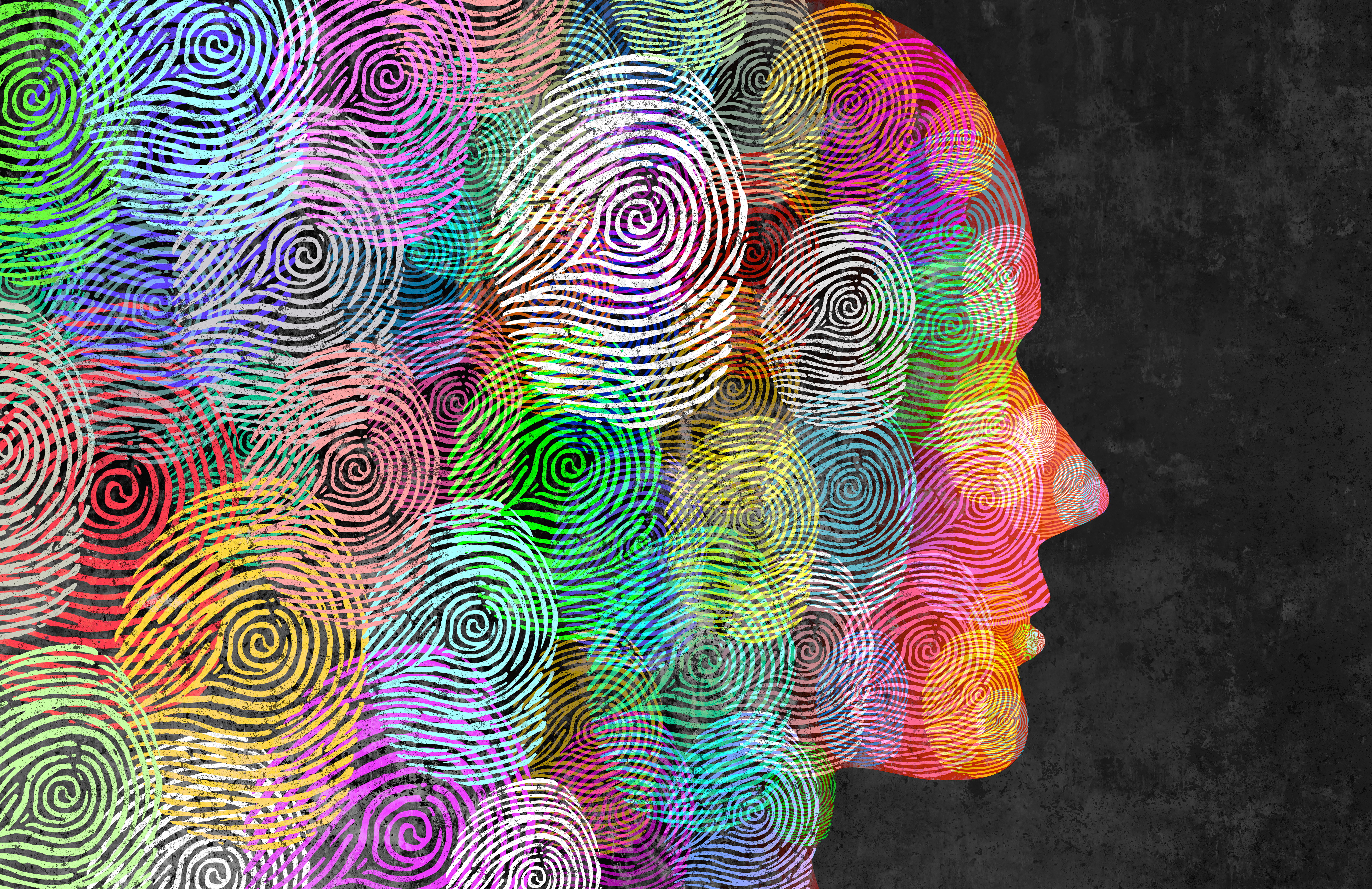
Think of your emotional identity as a background process running on your mental hardware. It is a set of rigid "if-then" statements formed in the past—often before you reached professional maturity—that now act as a filter for all incoming data.If your operating system is built on the script, "I must be the one to hold it all together to be safe," your brain will prioritize information that confirms that narrative. When you encounter a challenge at work or a conflict at home, your system doesn't see a situation to be solved objectively. It sees a threat to your identity.The resulting "output"—your stress, your need for control, your procrastination—is not a sign of a character flaw. It is a logical, systemic reaction to a script that has become outdated.
Why You Can’t "Fix" It With Willpower
Most self-improvement efforts fail because they focus on changing the output (the behavior) while the underlying script (the operating system) remains unchanged. You can force yourself to act differently for a while, but the system will always try to revert to its default settings.You cannot debug a script you cannot see.Until you perform an audit of your own emotional identity, you are essentially trying to patch a software bug by clicking on the screen, hoping the code behind the interface will magically rewrite itself. It won't.
The Shift Toward Precision
To move beyond these loops, you must move from experiencing your scripts to observing them. This is the difference between being a victim of your emotions and being the developer of your own behavior.When you begin to identify these "Ghost Scripts"—the subconscious narratives that dictate how you filter reality—the power they hold over you begins to dissolve. You gain the ability to step into a diagnostic role:
- Observe the trigger: Where is the friction?
- Identify the script: What does this situation require of my identity?
- Ask the question: Is this narrative currently serving my objectives, or is it part of a previous, less-equipped version of myself?
The Objective of Unwrite Studio
If you are operating in a professional environment, you know that efficiency relies on a tight framework. Your emotional architecture is no different.The goal of Unwrite is to provide the diagnostic tools to perform this "identity autopsy." By stripping away the performative nature of traditional wellness, we focus on the mechanics of shifting narratives to ensure your output matches your actual potential.
Are you ready to upgrade your operating system?
Visit https://www.unwrite.ca/ | Download the Narrative Reset Workbook to begin the audit.